
Crop Guides
Wheat Farming in Rajasthan: A Rabi Season Guide
By ATTPL Agritech Editorial Team · · 3 min read
A practical rabi wheat guide for Rajasthan farmers: sowing time, varieties, seed treatment, irrigation stages, fertiliser, weed control and harvest tips.
Why wheat planning matters
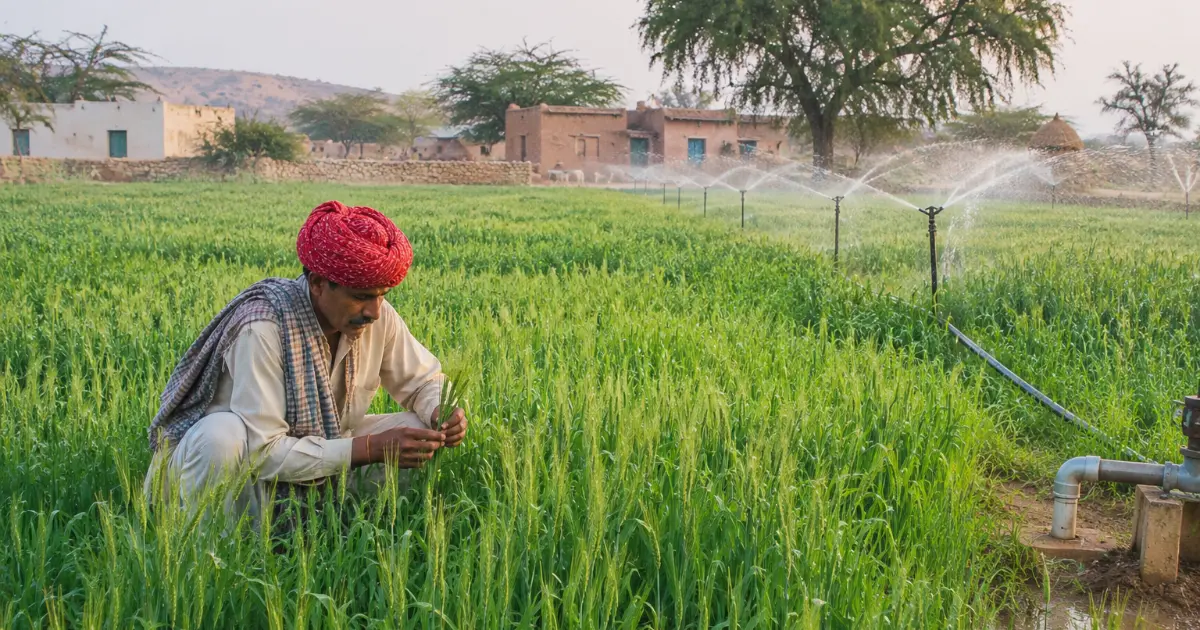
Wheat is one of the most important rabi crops in Rajasthan, grown widely in canal-irrigated areas and in districts with reliable groundwater. Yields depend heavily on timely sowing, the right variety and careful use of limited water. Small improvements in each step add up to better income at harvest.
This guide covers the main stages. Always follow the latest recommendations of your local Krishi Vigyan Kendra (KVK) or agriculture department, because varieties and advice are updated for each zone.
Sowing time and field preparation
- Timely sowing in November usually gives better yields; late sowing exposes the crop to heat during grain filling.
- Prepare a fine, level seedbed so that irrigation water spreads evenly.
- Get your soil tested before sowing so that fertiliser can be matched to the field; see our soil testing and soil health card guide.
- Use certified seed of a variety recommended for your zone and sowing time (timely or late sown).
Choosing the right variety
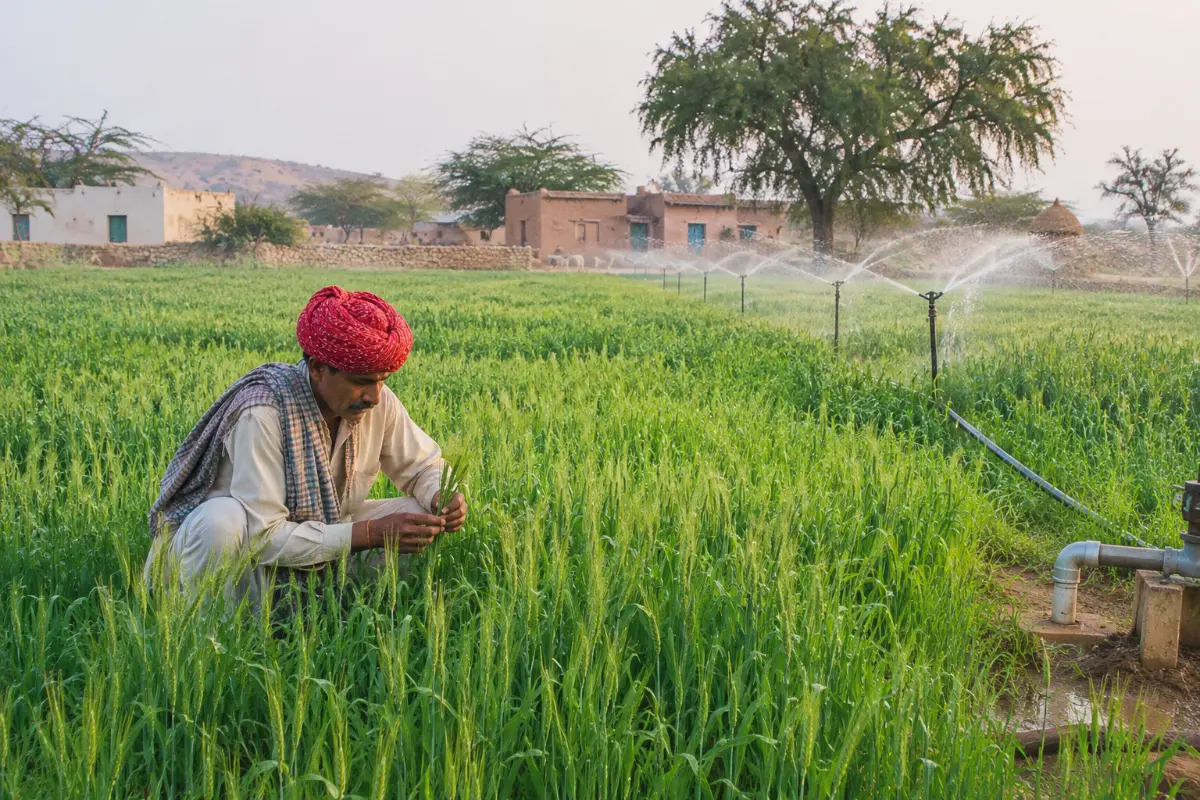
Variety choice is one of the cheapest ways to raise yield. Recommended varieties differ for timely sown irrigated fields, late sown fields and restricted-irrigation conditions, and new varieties are released regularly by national and state research institutes. When selecting, look at yield potential under your conditions, resistance to rusts, tolerance to heat at grain filling and grain quality preferred by local buyers.
Buy certified seed from authorised outlets, keep the bill and the seed tag, and avoid using your own saved seed for many years in a row, because purity and vigour decline. Trying a new recommended variety on a small part of the field first is a sensible way to compare it with your usual choice before switching completely.
- Ask your KVK which varieties performed best in your district last season.
- Match the variety to your sowing date — late-sown varieties are bred for a shorter season.
- Note how each variety performs on your farm so that you can decide better next year.
Seed treatment and seed rate
Seed treatment with a recommended fungicide protects young plants from seed- and soil-borne diseases, and in termite-prone areas a recommended treatment helps protect seedlings. Use the seed rate advised for your variety and sowing method; line sowing with a seed drill gives better plant stand and makes weeding easier than broadcasting.
Irrigation at critical stages
Where water is limited, give irrigation at the most sensitive stages rather than on a fixed calendar:
- Crown root initiation, about three weeks after sowing — the most critical stage.
- Tillering and jointing.
- Flowering.
- Milk and dough stages of grain filling.
Sprinkler and drip systems help save water in sandy soils. Our guide to smart irrigation for Rajasthan explains the options.
Nutrients and weed control
Apply fertiliser according to soil test results, splitting nitrogen between sowing and the first irrigations. Well-decomposed farmyard manure improves soil health. Control weeds in the first 30 to 40 days, when competition hurts yield most, using timely hoeing or herbicides recommended for wheat at the correct stage and dose. Always read the label and use protective gear while spraying.
Pests, diseases and heat stress
Watch for termites, aphids and rust diseases. Scout the field weekly and act only when needed, following local advice. Rising temperatures in February and March can shrink grain; timely sowing, suitable varieties and a light irrigation during hot spells reduce the damage.
Harvest, storage and marketing
Harvest when grains are hard and moisture is low enough for safe storage. Clean and dry the grain before storing in clean bags or bins. Compare prices at the mandi, government procurement centres and online markets; our article on selling crops through e-NAM explains online selling. For crop loans, see the Kisan Credit Card guide, and to protect against weather losses read our PMFBY rabi crop insurance guide.
Farmers interested in reducing diesel costs for irrigation can explore solar pumps with ATTPL Solar. For any question about your crop plan, contact us.
Frequently asked questions
When should wheat be sown in Rajasthan?
Timely sowing is usually in November, but the best window depends on your zone and variety. Follow the advice of your local KVK.
Which irrigation is most important for wheat?
The irrigation at crown root initiation, about three weeks after sowing, is generally the most critical.
How can I reduce heat damage to wheat?
Sow on time, choose recommended varieties for your zone and give a light irrigation during hot spells at grain filling.
Sources and further reading
General information only. Follow the latest recommendations of your local agriculture department or KVK for varieties, doses and chemicals.