
Crop Guides
Cumin (Jeera) Farming in Rajasthan Guide
By ATTPL Agritech Editorial Team · · 4 min read
A practical guide to cumin (jeera) farming in Rajasthan: sowing time, seed treatment, light irrigation, disease control, harvest and selling.
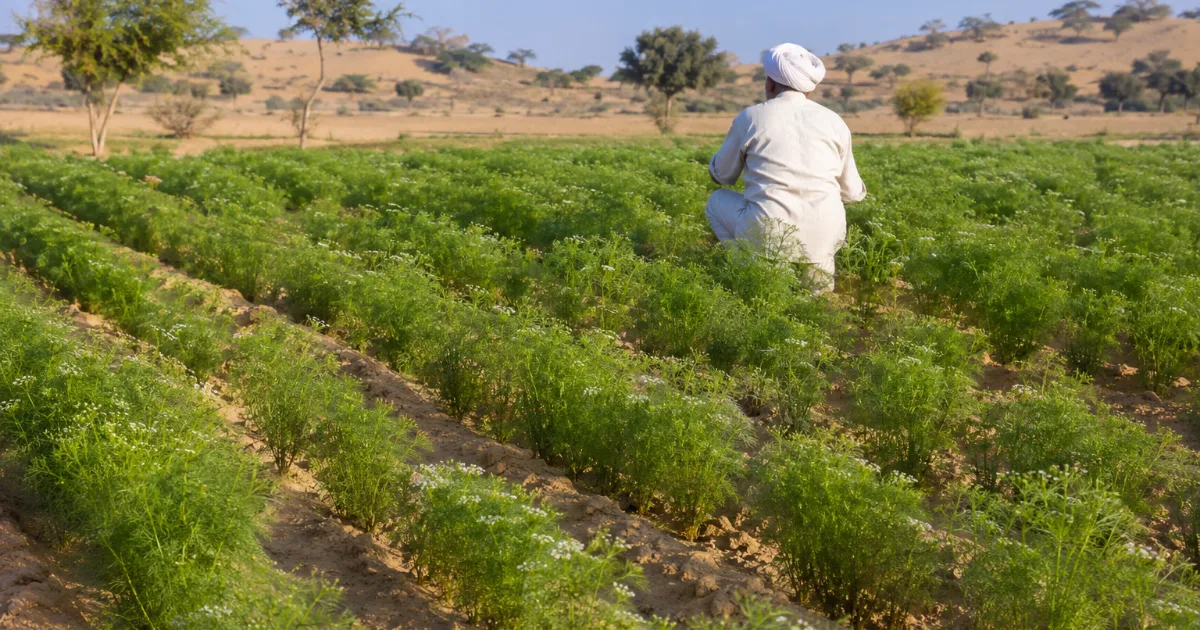
Why cumin suits western Rajasthan
Cumin (jeera) is one of the most valuable rabi crops for farmers in western and central Rajasthan, especially in districts such as Jodhpur, Barmer, Jalore, Nagaur and Pali. It needs a cool, dry winter, little water and light sandy loam soil, which is exactly what much of the state offers. Because the crop is short and needs few irrigations, it fits farms where water is limited.
Cumin is also a sensitive crop. Cloudy, humid weather, too much water or a late spray can turn a promising field into a loss within days. Success depends on getting the basics right from sowing to drying. This guide covers those basics in simple steps.
Sowing time and field preparation
In most of Rajasthan, cumin is sown in November, once day temperatures have come down. Very early sowing in warm weather can hurt germination, while very late sowing pushes flowering into warmer days and raises disease risk. Check the sowing window recommended for your zone by the agriculture department or your nearest KVK.
- Choose a well-drained field; avoid low patches where water stands.
- Prepare a fine, clean seedbed with one or two ploughings and planking.
- Do not grow cumin in the same field year after year, as wilt builds up in the soil. A rotation of three years or more is safer.
- Make small, level beds so that light irrigations spread evenly.
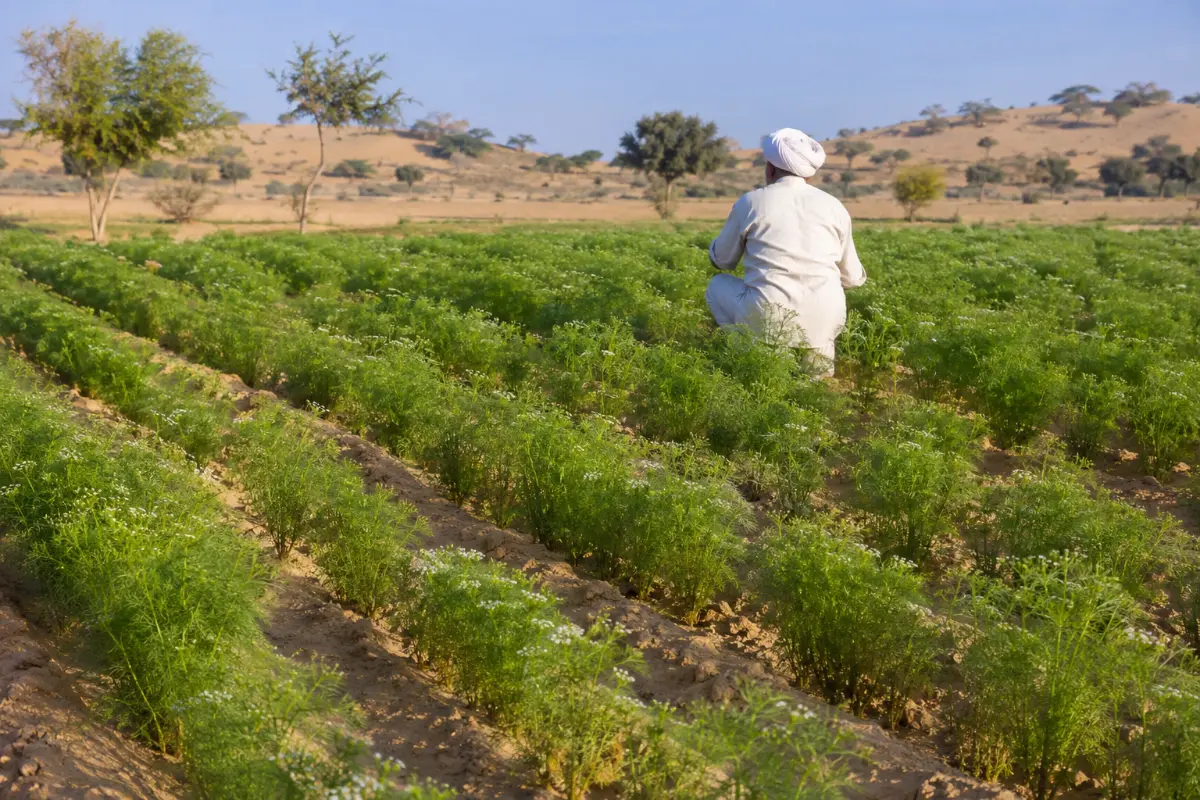
Seed, variety and seed treatment
Use clean, certified seed of a variety recommended for your area. Agricultural universities in Rajasthan and the ICAR seed spices research centre at Ajmer have released varieties with better tolerance to wilt and blight; your KVK can tell you which ones are available locally.
Treat seed before sowing with a recommended fungicide or a bio-agent such as Trichoderma. This is one of the cheapest ways to reduce wilt. Sow in lines rather than broadcasting, as lines make weeding, spraying and inspection much easier. Seed rate and spacing should follow your local package of practices.
Irrigation: less is more
Cumin needs light, careful irrigation. A light watering just after sowing, and another a few days later if the soil crust is hard, helps germination. After that, irrigate only when the plants need it. Heavy flooding encourages wilt and blight, so short, light irrigations are better. Sprinklers or a well-designed system can help, as explained in our guide on smart irrigation for Rajasthan.
Avoid irrigation when the sky is cloudy or when the crop is in full flowering and seed setting, unless the field is badly stressed. Wet leaves on humid days are the main trigger for blight.
Weeds, nutrients and soil health
Cumin grows slowly in its early weeks, so weeds can easily overtake it. One or two hand weedings in the first month make a big difference. Apply well-decomposed farmyard manure during field preparation and use fertiliser based on a soil test rather than guesswork. Our article on soil testing and the Soil Health Card explains how to get your soil tested.
Diseases and pests to watch
Three problems cause most cumin losses: wilt, blight and powdery mildew. Aphids can also attack during flowering.
- Wilt: plants droop and dry in patches. Prevent it with rotation, seed treatment and avoiding excess water.
- Blight: dark spots on leaves and stems, often after cloudy or humid weather. It spreads fast, so act on the first signs as advised by experts.
- Powdery mildew: a white powder on leaves and stems, more common later in the season.
- Aphids: small insects that suck sap from tender parts and flower heads.
Walk your field every few days, especially after a cloudy spell. Use only the chemicals and doses recommended by your agriculture officer or KVK, and respect the waiting period before harvest. Cumin is widely exported, and buyers increasingly check pesticide residues.
Harvest, drying and selling
The crop is usually ready when plants turn yellowish-brown and the seeds change colour. Harvest in the early morning to reduce shattering, dry the plants on a clean floor or tarpaulin, and thresh carefully. Clean, well-dried seed with good colour and aroma gets a better price.
Compare prices before you sell. Online markets help you see rates beyond your local mandi; read our guide to selling crops online through e-NAM. Farmer groups that grade and pack cumin together can even look at export buyers; the basics of starting an export business from India are explained by our consultancy team.
Want help planning your cumin crop or finding buyers through the ATTPL Agritech marketplace? Contact ATTPL (ऐट्प्ल) HOLDCO - GROUP and our farm advisory team will guide you.
Frequently asked questions
When should cumin be sown in Rajasthan?
Cumin is generally sown in November in Rajasthan, once the weather turns cool. The exact window differs by zone, so follow the date advised by your local agriculture department or KVK.
How many irrigations does cumin need?
Cumin needs only a few light irrigations. Water lightly after sowing and later only when the crop needs it. Avoid heavy irrigation and watering on cloudy days, as this increases wilt and blight.
How can I reduce wilt in cumin?
Follow crop rotation of three years or more, use certified seed of a tolerant variety, treat seed with a recommended fungicide or Trichoderma, and avoid waterlogging.
Sources and further reading
General information only. Follow the latest recommendations of your local agriculture department or KVK for varieties, doses and chemicals.