Farm Finance
Kisan Credit Card (KCC): How Farmers Can Apply
By ATTPL Agritech Editorial Team · · 3 min read
A simple guide to the Kisan Credit Card: who can apply, documents needed, how the credit limit works, interest subvention, repayment and common mistakes.
What the Kisan Credit Card is
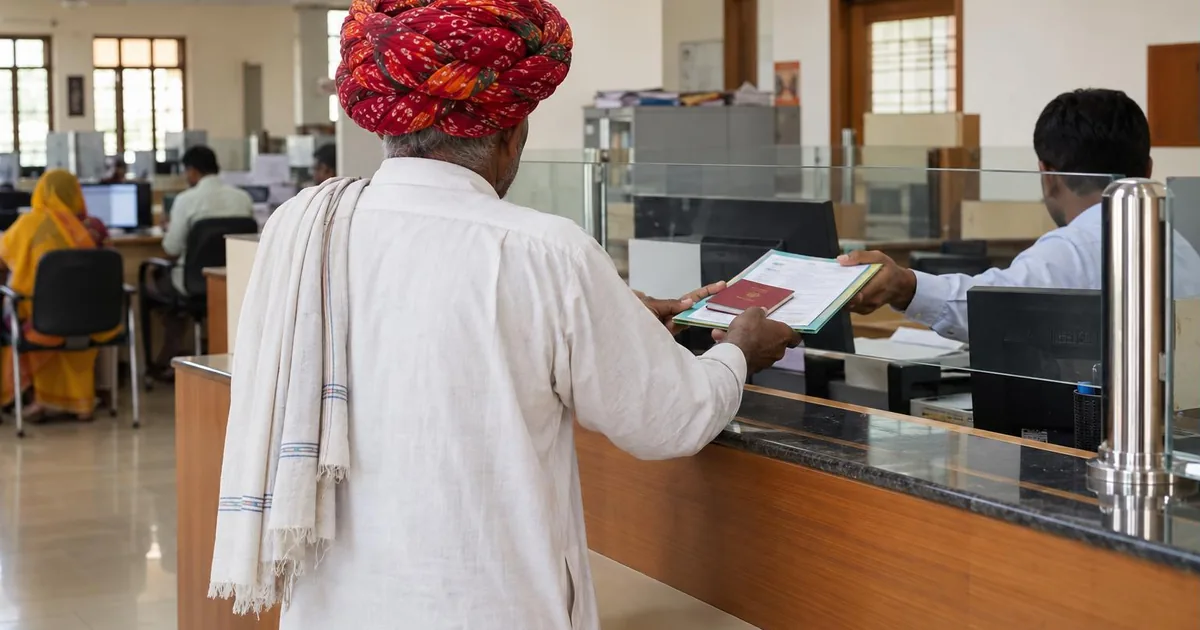
Every season, farmers need money before they earn it: for seed, fertiliser, labour, diesel and irrigation. Borrowing from informal moneylenders at high interest can trap a family in debt. The Kisan Credit Card (KCC) scheme was created to give farmers timely, flexible and affordable bank credit. This guide explains how the card works and how farmers in Rajasthan can apply and use it well.
The KCC is a revolving credit facility offered by commercial banks, regional rural banks, small finance banks and cooperative banks. Instead of taking a fresh loan every season, the farmer gets a sanctioned limit and can withdraw and repay as needed, through a card, passbook or bank branch. The limit covers crop cultivation costs, post-harvest expenses, household consumption needs, maintenance of farm assets and allied activities. Since 2018–19, KCC has also been extended to animal husbandry and fisheries farmers.
Who can apply
- Individual farmers who own and cultivate land.
- Tenant farmers, oral lessees and sharecroppers, as per bank and state guidelines.
- Self-help groups and joint liability groups of farmers.
- Farmers engaged in animal husbandry, dairy, poultry and fisheries for working capital needs.
Documents you will need
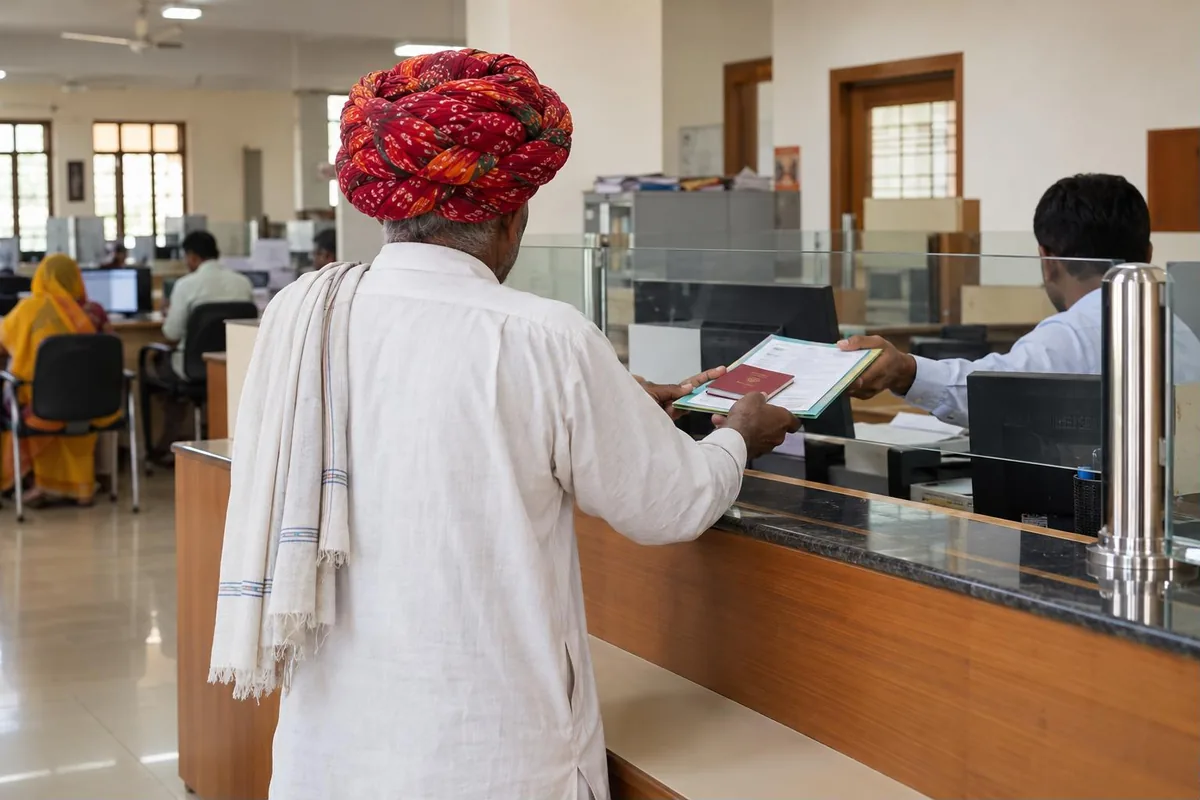
- Filled application form (available at the bank branch or online for some banks).
- Identity and address proof, such as Aadhaar card.
- Land records such as jamabandi and khasra details, or proof of tenancy where applicable; our guide to Rajasthan land records explains these documents.
- Passport-size photographs.
- Details of crops grown and the area under each crop.
Banks may ask for additional documents depending on the loan amount. Keeping land records updated, with mutation completed after inheritance or purchase, avoids delays. Where there is a land dispute, legal advice from ATTPL Legal's property services can help.
How the credit limit is fixed
The limit is based mainly on the scale of finance for each crop, which is the estimated cost of cultivation per acre fixed at the district level, multiplied by the area cultivated. Banks add amounts for post-harvest and household needs and for farm asset maintenance, and increase the limit each year to allow for rising costs. The card is typically valid for five years, subject to annual review.
Interest and the prompt repayment benefit
Under the Government of India's interest subvention scheme, short-term crop loans up to a notified limit are available at a concessional interest rate, and farmers who repay on time get an additional prompt repayment incentive, which lowers the effective rate further. The limits and rates are revised from time to time, so confirm the current terms with your bank. The key lesson is simple: repaying on or before the due date saves real money.
Linking KCC with insurance and other schemes
Crops financed through KCC are usually covered under the Pradhan Mantri Fasal Bima Yojana, subject to the farmer's consent and scheme rules. Read our PMFBY crop insurance guide to understand claims and deadlines. Farmers investing in irrigation can combine credit with subsidies such as the PM-KUSUM solar pump scheme.
Using KCC through digital channels
Many banks now let KCC holders check their limit, withdraw money and repay through RuPay KCC cards, ATMs, business correspondents in the village and mobile banking. Digital repayment soon after selling the harvest helps farmers meet the due date and earn the prompt repayment benefit. Some states and banks also offer online KCC applications linked to land records and PM-KISAN data, which can shorten processing time. Ask your branch which digital options are available, and keep your mobile number updated with the bank so that you receive alerts for every transaction.
Common mistakes to avoid
- Using crop credit for non-farm spending and then missing the repayment date.
- Not renewing or reviewing the limit when the cropping pattern changes.
- Sharing card PINs or OTPs with agents; banks never ask for them.
- Ignoring the bank statement; check every withdrawal and charge.
If you face difficulty repaying because of crop loss, inform the bank early and ask about restructuring options available under RBI and government guidelines.
Get help with farm finance
For guidance on farm loans, insurance and digital payments, explore our agri fintech services. ATTPL Finance also helps customers compare loan options. Contact ATTPL Agritech for support.
Frequently asked questions
Can tenant farmers get a Kisan Credit Card?
Yes. Tenant farmers, oral lessees and sharecroppers are eligible as per bank and state guidelines, often through joint liability groups.
How long is a KCC valid?
A KCC is typically valid for five years, with the limit reviewed every year.
What happens if I repay my KCC loan on time?
You get a prompt repayment incentive under the interest subvention scheme, which lowers your effective interest rate. Confirm the current rate with your bank.