Crop Guide
Mustard Farming in Rajasthan: A Rabi Season Guide
By ATTPL Agritech Editorial Team · · 3 min read
A rabi guide to mustard farming in Rajasthan: sowing time, seed and spacing, nutrients, irrigation at critical stages, pests, harvest and selling.
Why mustard suits Rajasthan
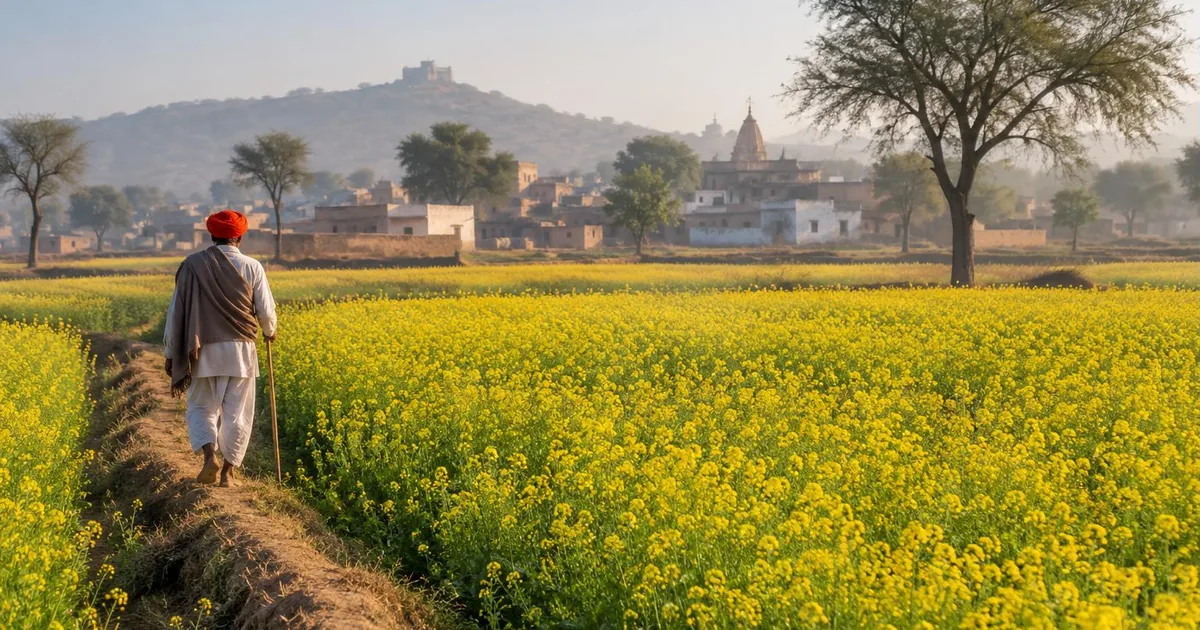
When the fields of Rajasthan turn bright yellow in winter, it is mustard season. Rajasthan is India's largest producer of rapeseed-mustard, and for lakhs of farm families the crop is a dependable rabi income because it needs less water than wheat and suits the state's soils. Good yields, however, depend on timely sowing, balanced nutrition, a few well-timed irrigations and alert pest control. This guide brings the key practices together in one place.
Mustard grows well in the cool, dry winter of Rajasthan and tolerates light, sandy loam soils better than many other rabi crops. It can be grown on stored soil moisture with one or two irrigations, which makes it attractive where groundwater is limited. The ICAR-Directorate of Rapeseed-Mustard Research at Bharatpur in Rajasthan develops and recommends varieties and practices for the crop, and the state agriculture department and Krishi Vigyan Kendras share local recommendations every season.
Sowing time, seed and spacing
Timely sowing is one of the biggest factors in mustard yield. In most of Rajasthan, irrigated mustard is sown from late September to the end of October, when day temperatures have started to fall. Late-sown crops face higher aphid attack and frost risk at flowering.
- Choose a variety recommended for your zone and sowing time by your KVK or agriculture department.
- Use certified seed and treat it with a recommended fungicide before sowing to protect against seed-borne diseases.
- Sow in lines with a seed drill, keeping row-to-row spacing of around 30–45 cm, and thin plants to avoid overcrowding.
- Sow at a shallow depth into moist soil so that seedlings emerge evenly.
Nutrients and soil health
Mustard responds well to balanced fertiliser use. Base doses on a soil test; our guide to soil testing and the Soil Health Card explains how to get one. In general, apply phosphorus and part of the nitrogen at sowing, and the remaining nitrogen with the first irrigation. Sulphur is especially important for oilseeds because it improves oil content, and gypsum or other sulphur sources are commonly recommended in Rajasthan's soils. Well-decomposed farmyard manure improves soil structure and moisture holding.
Irrigation at critical stages
Where water is available, the most valuable irrigations are at the start of flowering and at pod filling. Avoid irrigating when frost is expected to be followed by strong winds, and never let water stand in the field, as mustard does not tolerate waterlogging. Sprinkler and drip systems save water and give more uniform irrigation; our smart irrigation page explains the options, and farmers can power pumps with solar through the PM-KUSUM solar water pump scheme.
Pests and diseases to watch
- Aphids: the most damaging pest; colonies on flowers and pods suck sap. Monitor fields weekly from flowering and follow local advice on threshold-based spraying.
- Painted bug and sawfly: attack young seedlings; early detection matters.
- White rust and Alternaria blight: leaf and pod diseases favoured by humid, cloudy weather.
- Sclerotinia stem rot: causes stems to rot and plants to lodge; crop rotation and avoiding excess irrigation help.
Use pesticides only as recommended on the label and by agriculture experts, observe waiting periods before harvest, and protect honeybees by avoiding sprays during peak foraging hours.
Harvest and storage
Harvest when most pods turn yellowish-brown and seeds are firm; delaying too long causes pods to shatter in the field. Cut the crop early in the morning, dry it on a clean threshing floor, thresh and clean the seed, and store it at safe moisture in clean, dry bags. Good storage protects both oil content and price.
Selling and protecting your income
Mustard is covered by Minimum Support Price procurement in many seasons, and farmers can also sell through regulated mandis or the e-NAM platform, as explained in our guide to selling crops online. Compare prices before selling, keep your registration and land records ready, and consider crop insurance under PMFBY; our PMFBY rabi crop insurance guide explains how to enrol. For working capital, a Kisan Credit Card and other farm loans can help, and ATTPL Finance supports rural customers with loan guidance. For an overall season plan, see our rabi sowing planning guide.
Get support from ATTPL Agritech
ATTPL Agritech connects farmers with advisory, inputs, markets and technology. Explore our Kisan guide or contact our team for help planning your mustard crop this rabi season.
Frequently asked questions
When should mustard be sown in Rajasthan?
Irrigated mustard is usually sown from late September to the end of October. Follow the exact window recommended for your district by your KVK.
How many irrigations does mustard need?
Mustard can grow on stored soil moisture, but where water is available, irrigations at the start of flowering and at pod filling give the best response.
What is the most serious pest of mustard?
Aphids are the most damaging pest. Monitor from flowering onwards and follow local advice on when and what to spray.