
Crop Protection
Weed Management in Wheat: A Practical Guide for Rajasthan Farmers
By ATTPL Agritech Editorial Team · · 2 min read
How Rajasthan farmers can control weeds in wheat — common weeds, critical period, cultural methods, mechanical weeding, safe herbicide use and preventing resistance.
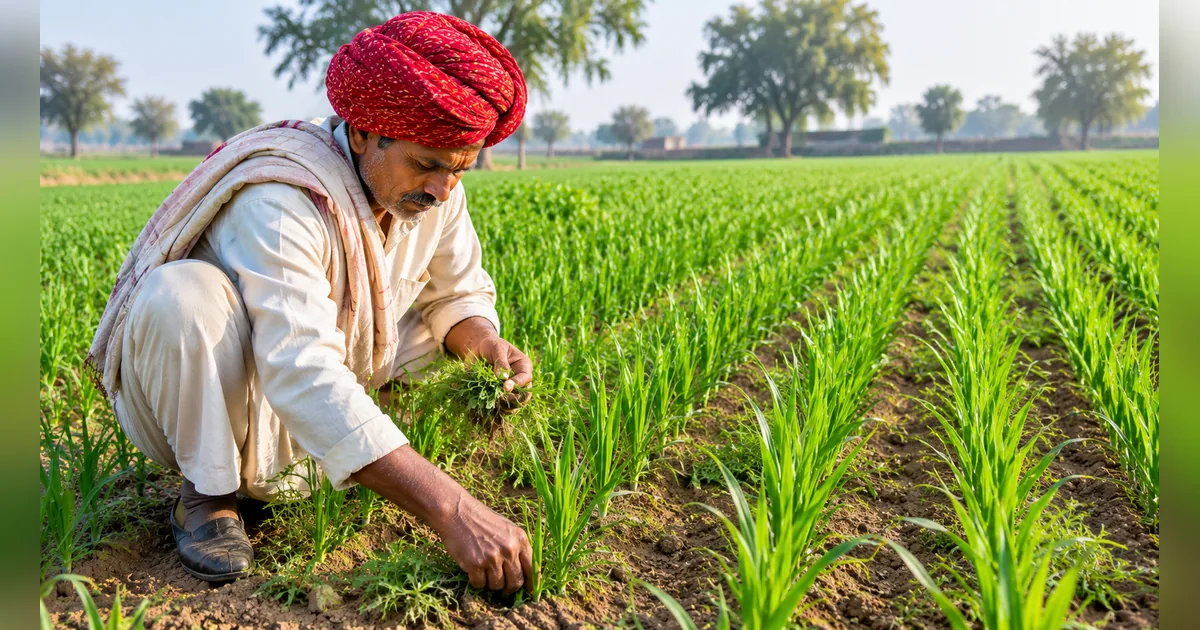
Know your weeds
Weeds compete with wheat for water, nutrients and light, and can cut yields sharply if left unchecked in the first weeks. A combination of good field practice and careful herbicide use gives the best results.
Common wheat weeds include grassy weeds such as Phalaris minor (gulli danda) and wild oats, and broad-leaf weeds such as bathua and others. Identify the main weeds in your field, because control methods differ for grassy and broad-leaf weeds.
The critical period
The first 30 to 45 days after sowing are the most important. Keeping the crop weed-free in this period protects most of the yield. Late weeding saves less.
Cultural and mechanical control
- Use clean seed and well-decomposed manure so weed seeds are not added
- Sow on time with the right seed rate so the crop covers the ground quickly
- Line sowing makes hand or mechanical weeding easier
- Crop rotation breaks the cycle of weeds that suit wheat
Safe herbicide use
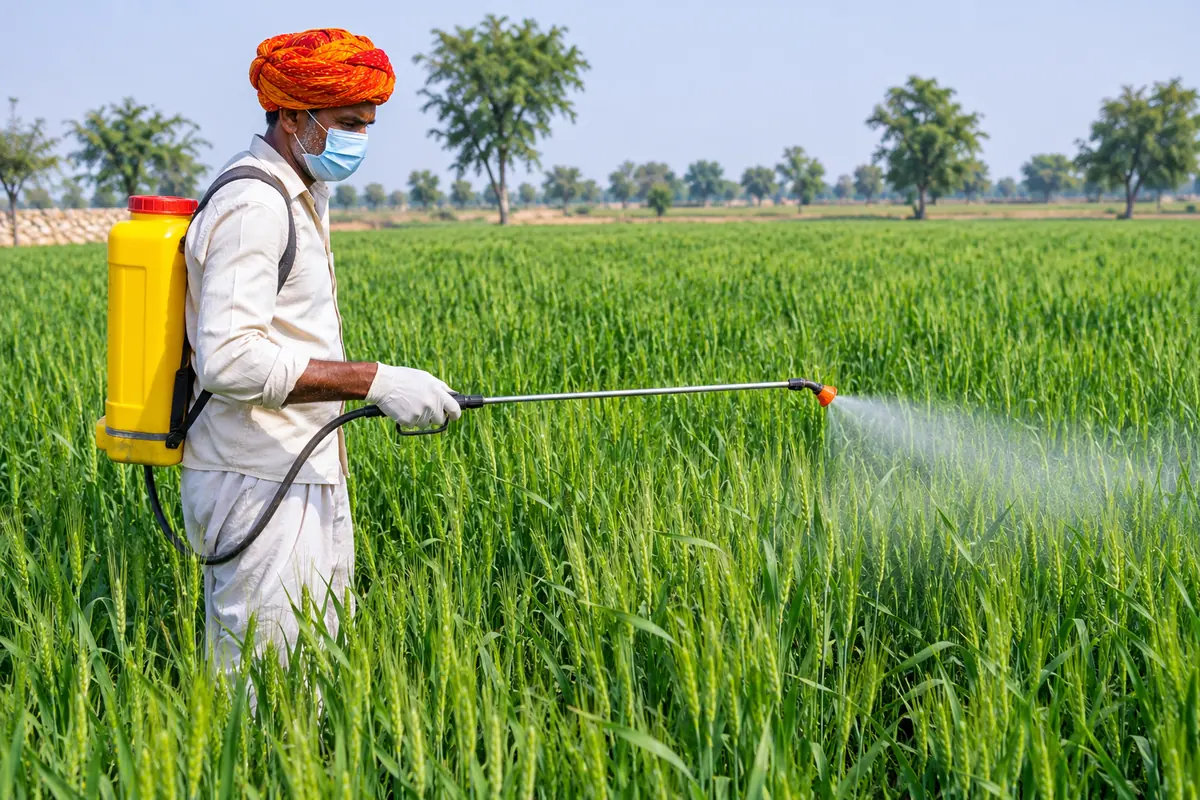
Use only herbicides recommended for wheat by your agriculture department or KVK, at the right stage and dose, with a proper flat-fan nozzle and enough water. Rotate herbicides with different modes of action to prevent resistance. Wear gloves and a mask, and never spray in strong wind. Read our IPM guide, seed treatment guide and wheat farming guide.
Frequently asked questions
When should I weed my wheat crop?
The most important time is within 30 to 45 days after sowing.
Why is my herbicide not working on Phalaris minor?
Repeated use of the same herbicide can lead to resistance; rotate products and combine with cultural methods.
Can I mix two herbicides?
Only use mixtures that are officially recommended, because some combinations damage the crop or reduce effect.
Sources and further reading
This article is general information for farmers, not agronomic advice. Use only products and doses recommended for your area and follow label instructions.