
Crop Planning
Termite Control in Crops: A Practical Guide for Rajasthan Farmers
By ATTPL Agritech Editorial Team · · 2 min read
Why termites damage wheat, gram and groundnut in Rajasthan's sandy soils, how to spot the damage early, and an integrated plan to control them safely and at low cost.
Why termites are a problem in Rajasthan
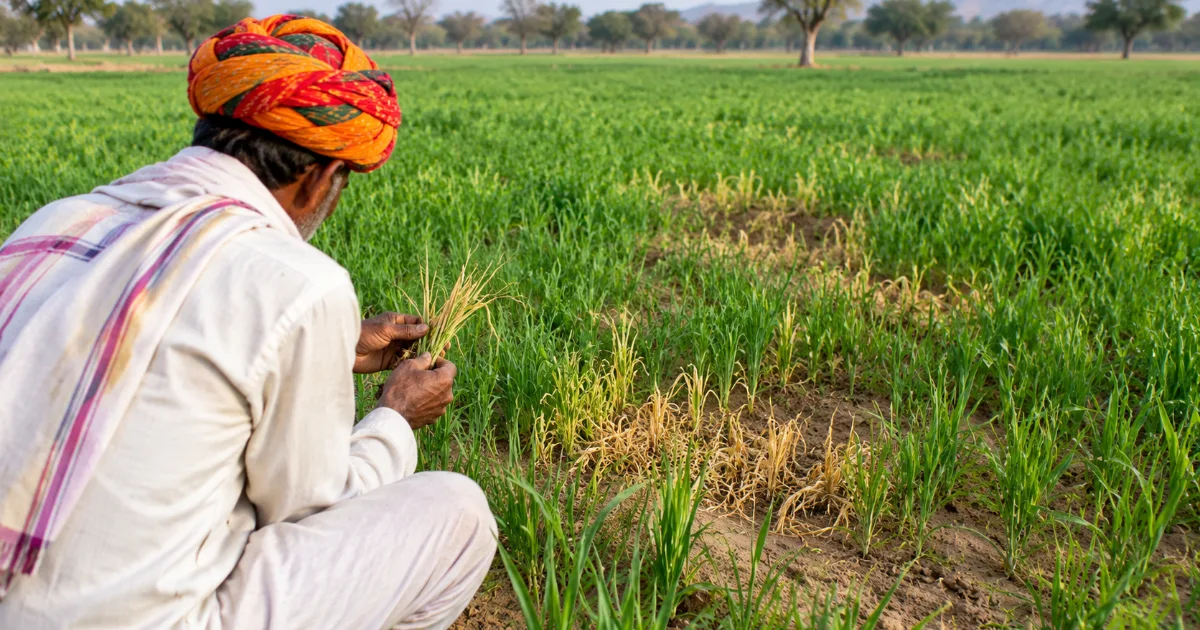
Termites (deemak) thrive in light, sandy and dry soils — exactly the conditions found across much of Rajasthan. They attack the roots and lower stems of wheat, barley, gram, groundnut, mustard and young trees. Damaged plants wilt, turn yellow and dry in patches, and are easily pulled out. Losses are highest in rainfed fields and when the crop faces moisture stress.
How to recognise termite damage
- Plants drying in scattered patches while neighbouring plants look healthy
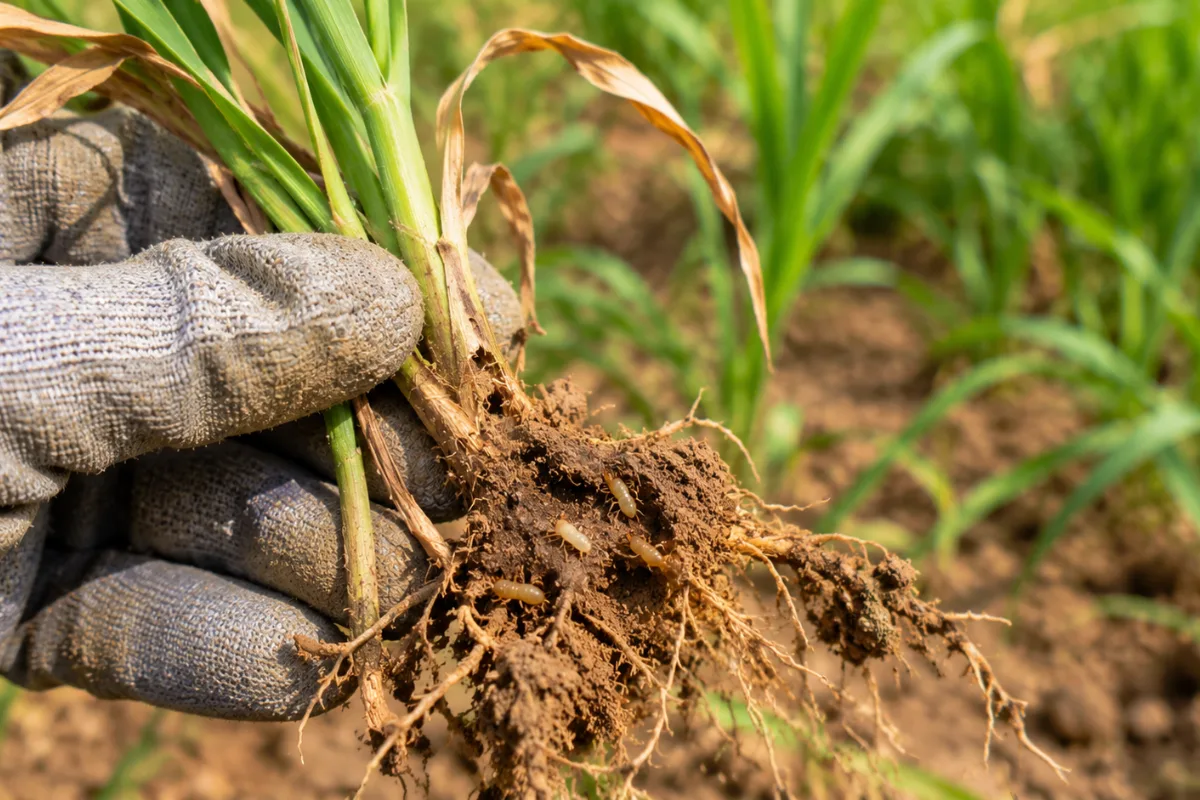
- Roots and stem base hollowed or eaten, with soil-covered runways
- Termite mounds on field bunds or nearby uncultivated land
- Higher damage in fields where raw, undecomposed farmyard manure was used
Dig out a few affected plants early in the season. Finding termites in the root zone confirms the problem before it spreads.
Prevention: the cheapest control
Most termite problems can be reduced before sowing:
- Use only well-decomposed farmyard manure or compost — raw manure attracts termites
- Remove stubble, roots and woody residues from the previous crop
- Locate and destroy mounds on bunds and field edges, including the queen chamber where possible
- Deep summer ploughing exposes termites to heat and birds
- Keep fields from going too dry; timely irrigation reduces damage
Applying neem cake and bio-control fungi such as Beauveria or Metarhizium with compost is a useful organic option.
Seed treatment and need-based chemical control
Where termites are a known problem, seed treatment with an insecticide recommended by your Krishi Vigyan Kendra or state agriculture department gives early protection. In standing crops, follow the KVK advice on product, dose and method (often with irrigation water), and always read the label. Avoid blanket spraying of the whole field when damage is in patches, and never use banned or unlabelled chemicals.
An integrated approach works best; our integrated pest management guide for rabi crops explains how to combine these methods.
Build long-term soil health
Healthy soil with good organic matter and balanced nutrition supports stronger roots that tolerate pest attack better. Test your soil regularly, rotate crops and keep bunds clean. Our vermicompost making guide shows how to prepare well-decomposed manure on the farm.
For crop advisory and input planning support, connect with ATTPL Agri.
Frequently asked questions
Why do termites attack crops more in sandy soil?
Light, dry sandy soils suit termite colonies, and moisture stress weakens plants, making damage worse.
Does raw cow dung increase termite attack?
Yes. Undecomposed farmyard manure attracts termites. Use only well-rotted manure or compost.
Is there an organic way to control termites?
Neem cake, bio-control fungi such as Beauveria or Metarhizium, mound destruction and good field hygiene help reduce termite damage.