
Water & Soil
Saline Groundwater on Rajasthan Farms: How to Irrigate and Protect Your Soil
By ATTPL Agritech Editorial Team · · 2 min read
A practical guide for Rajasthan farmers with saline or brackish groundwater — testing water, choosing tolerant crops, irrigation methods, soil amendments and drainage to protect yields.
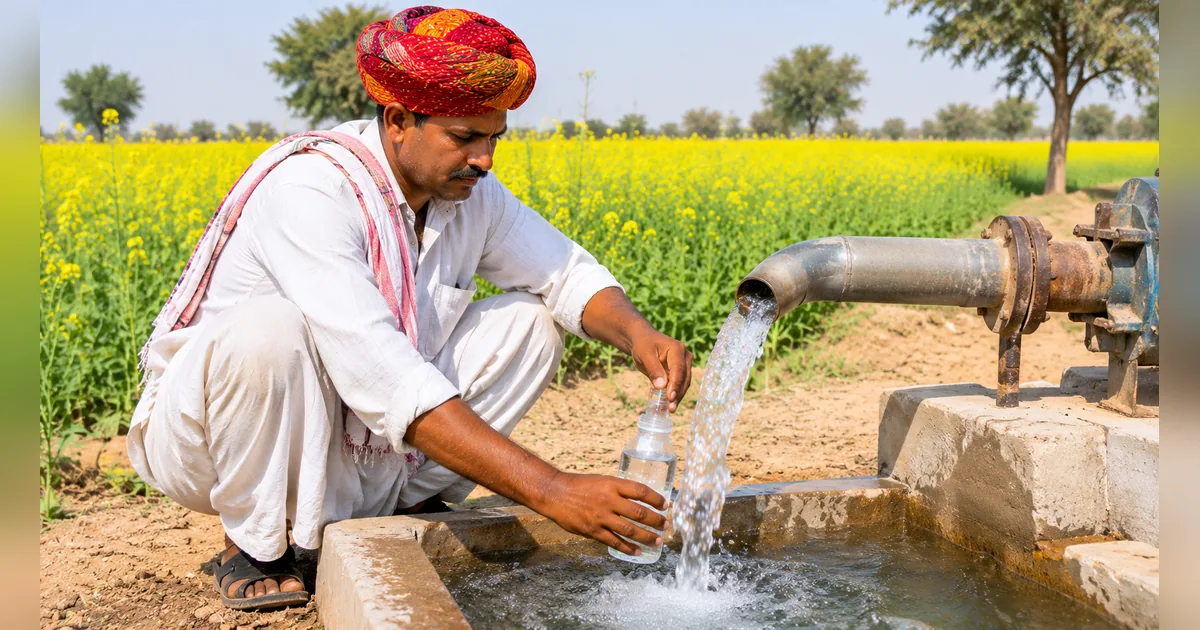
Test your water and soil first
In many parts of western and central Rajasthan, tube-well water is salty. Using it without care builds up salt in the soil and reduces yields over time. With testing and the right practices, many farmers still grow good crops.
Get your irrigation water tested for salinity (EC), sodium and other parameters at a soil and water testing laboratory, along with a soil test. The report tells you how salty the water is and whether the soil is becoming sodic.
Choose crops and practices
- Grow crops with better salt tolerance, such as barley, mustard and certain varieties recommended by your KVK
- Use drip irrigation, which keeps salt away from the root zone better than flood irrigation
- Irrigate more frequently with smaller amounts so the soil does not dry and concentrate salt
- Where possible, mix saline water with canal or rain water
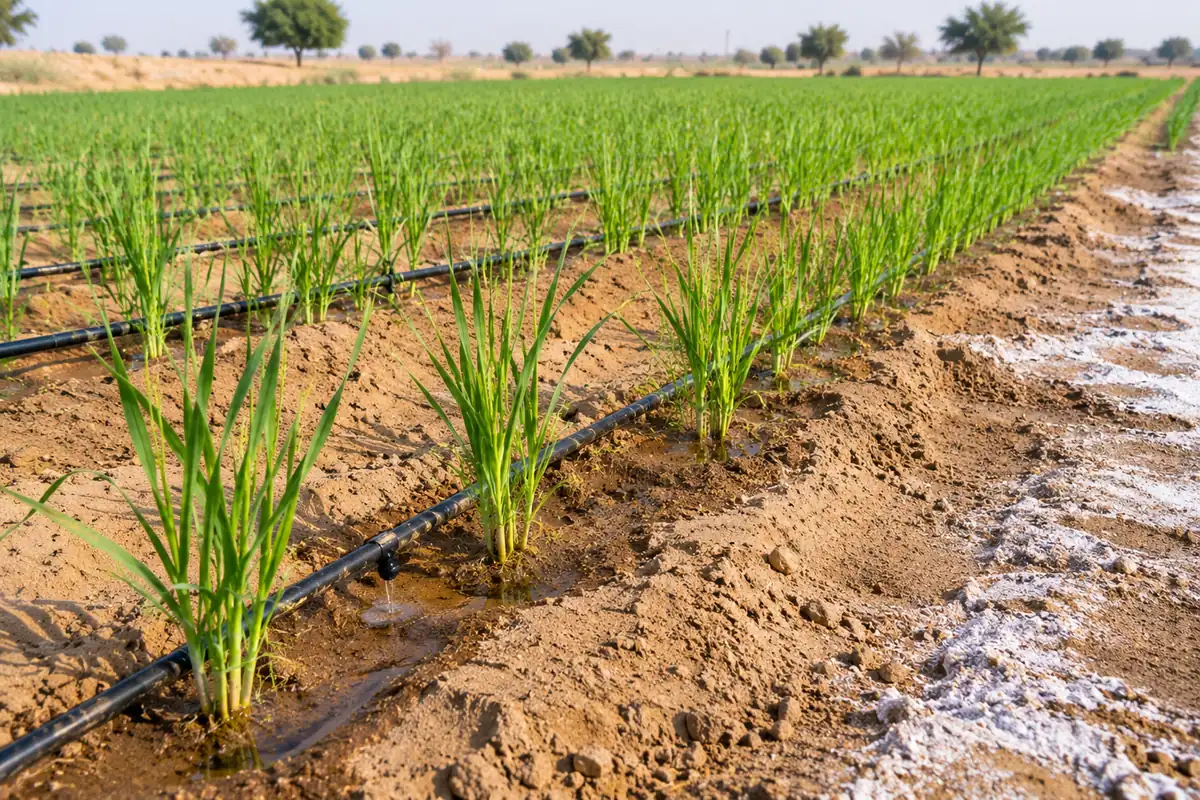
Protect the soil
Add organic matter such as farmyard manure and vermicompost. On sodic soils, gypsum application based on the soil test helps. Make sure fields drain well, and use farm ponds to store rain water for blending.
Get advice and support
Your local KVK and agriculture department can recommend tolerant varieties and possible subsidies for drip irrigation and farm ponds. ATTPL Agritech is building advisory tools to help farmers plan crops with their water and soil reports.
Frequently asked questions
Can saline water be used for drip irrigation?
Often yes, and drip usually handles moderate salinity better than flood irrigation, but filters and emitters need regular cleaning.
Which crops tolerate salty water?
Barley, mustard and some varieties of other crops are more tolerant; ask your KVK for recommendations for your area.
How often should I test water?
At least once a year, and whenever you dig a new tube well.
Sources and further reading
This article is general information for farmers, not agronomic advice. Follow recommendations based on your own water and soil test reports.