
Crop Guides
Barley (Jau) Farming in Rajasthan: A Practical Rabi Season Guide
By ATTPL Agritech Editorial Team · · 2 min read
A practical guide to growing barley (jau) in Rajasthan — why it suits low-water and saline soils, sowing time, seed rate, fertiliser, irrigation, pests, harvest and malting barley markets.
Why barley suits Rajasthan
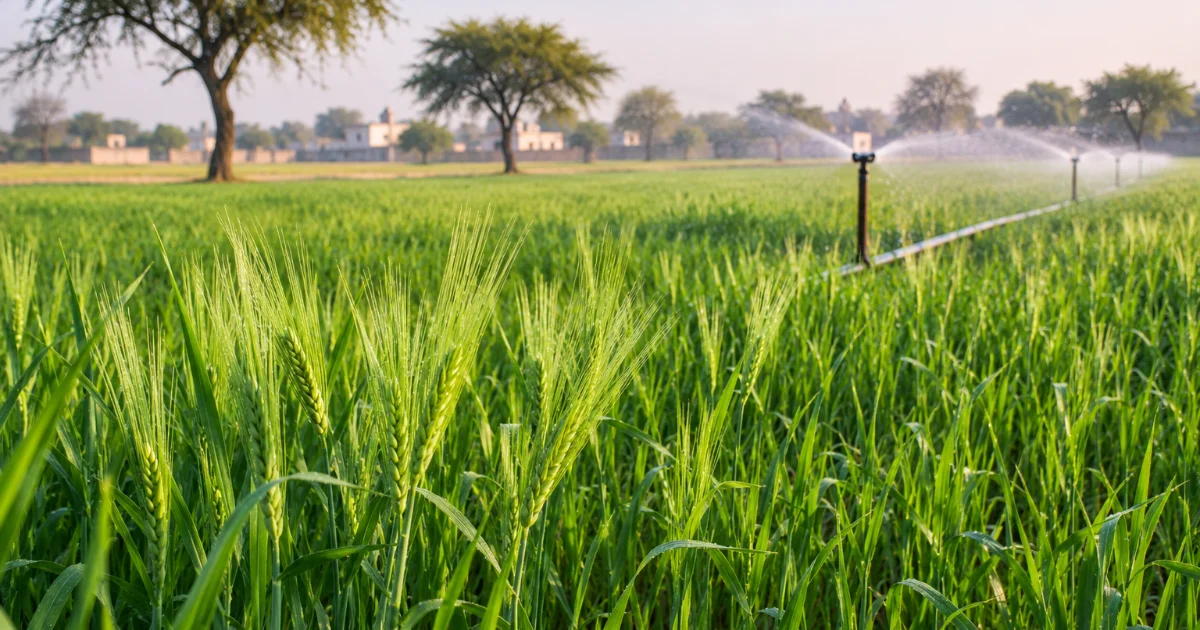
Barley is one of the hardiest rabi cereals and Rajasthan is among India's leading barley-growing states. It needs less water than wheat, tolerates some salinity and has steady demand from feed, food and malting industries.
Barley matures faster than wheat and can give a reasonable crop with fewer irrigations, which makes it useful where groundwater is limited or slightly saline. It is grown widely in districts such as Jaipur, Sikar, Jhunjhunu, Ajmer, Bhilwara and Sri Ganganagar. Grain is used for animal feed, food products and malt for the brewing and food industries.
Sowing time, seed and variety
- Sow in late October to mid-November for irrigated timely sowing; late sowing reduces yield
- Use a seed rate commonly recommended at about 100 kg per hectare for timely sowing, higher for late or saline conditions
- Choose varieties recommended by your state agricultural university or Krishi Vigyan Kendra for your zone and purpose — feed, food or malt
- Treat seed before sowing to protect against seed-borne diseases
Our guide to seed treatment before sowing rabi crops explains the steps.
Nutrients and irrigation
Apply fertiliser based on a soil test rather than guesswork — see our soil testing and soil health card guide. Barley generally needs less nitrogen than wheat; excess nitrogen causes lodging and lowers malt quality.
In most irrigated fields, three to four irrigations are enough. The most important stages are crown root initiation, tillering, flowering and grain filling. Sprinkler irrigation saves water and works well for barley on sandy soils.
Weeds, pests and diseases
- Control weeds in the first 30–40 days through hoeing or recommended herbicides
- Watch for aphids in January–February and act only when they cross the threshold advised by experts
- Look out for stripe disease, leaf rust and smuts; use resistant varieties and treated seed
- Follow integrated pest management to reduce chemical costs
See our article on integrated pest management for rabi crops for practical methods.
Harvest and selling
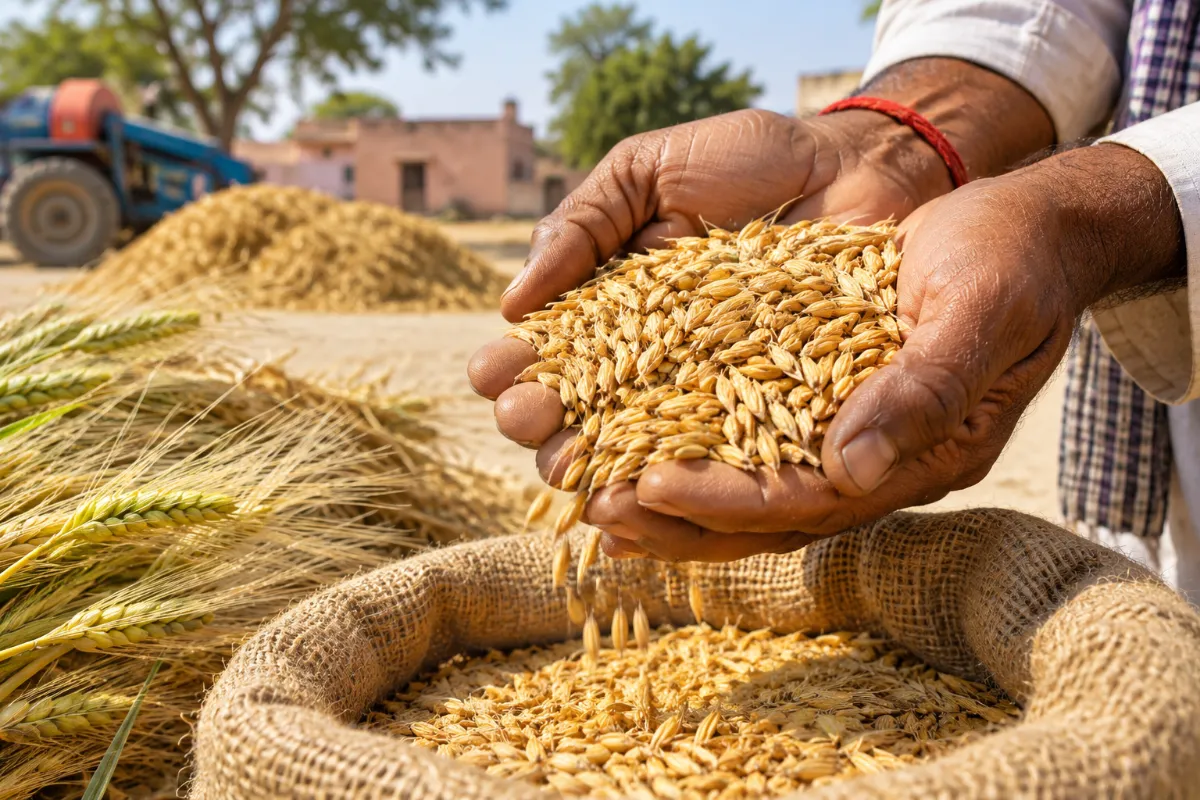
Harvest when the spikes turn golden and the grain is hard. Dry the grain well and store it clean to avoid insect damage. Malting companies usually look for bold, uniform grain with good germination, so variety choice and clean handling matter. Compare prices across local mandis and online platforms such as e-NAM, and check whether barley is covered under the season's crop insurance notification.
Support from ATTPL Agri
ATTPL Agri supports farmers and FPOs with crop planning, advisory and market connections. Farmers planning small processing or storage units can also get project support from ATTPL Consultancy.
Frequently asked questions
When is the best time to sow barley in Rajasthan?
For irrigated timely sowing, late October to mid-November is generally recommended. Check local advisories for your zone.
How many irrigations does barley need?
Usually three to four irrigations at key stages, which is fewer than wheat. Soil type and rainfall change this.
Can barley be grown in saline soil?
Barley tolerates salinity better than most cereals, though yields fall in highly saline soils. Use tolerant varieties and expert advice.
Sources and further reading
This article is general guidance for farmers. Varieties, doses and timings vary by zone and season; follow advice from your Krishi Vigyan Kendra or agriculture department.