
Crop Guides
Isabgol Farming in Rajasthan: A Practical Rabi Guide
By ATTPL Agritech Editorial Team · · 4 min read
Isabgol (psyllium) farming guide for western Rajasthan: November sowing, light soils, irrigation, harvest care and how to sell your crop well.
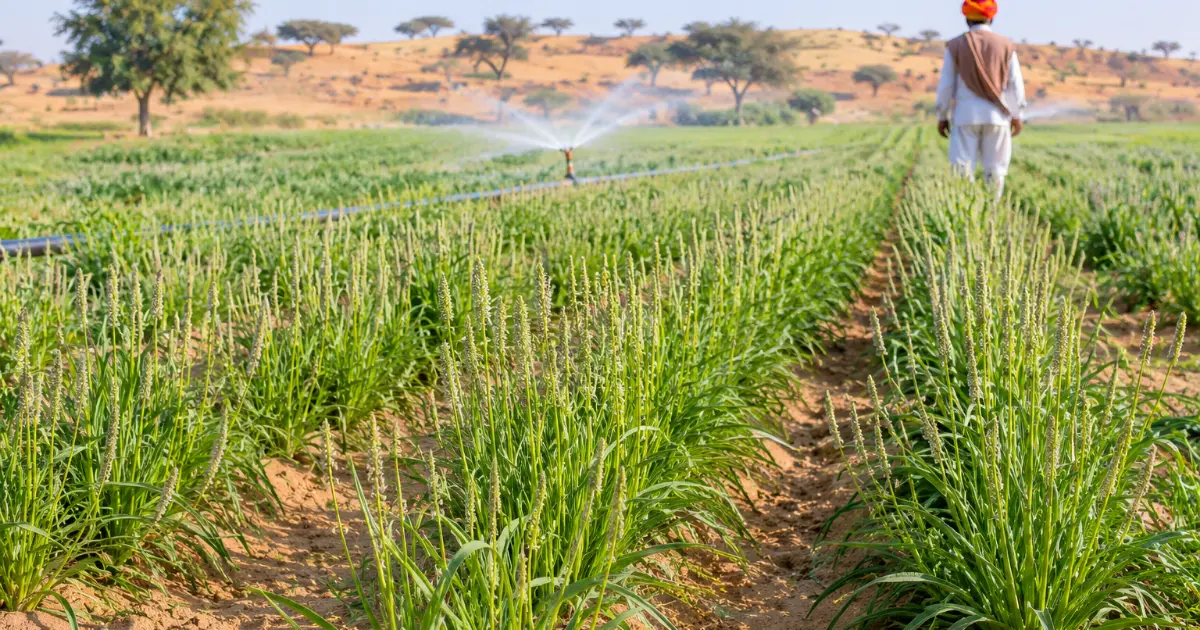
Why Isabgol Farming Suits Western Rajasthan
Isabgol, also called psyllium or blond plantago, is one of the most familiar rabi crops of western Rajasthan. It suits the dry, cool winter of districts such as Barmer, Jalore, Jodhpur and Nagaur, needs fewer irrigations than many other rabi crops and is valued for its husk, which is used in food and health products. This guide walks through isabgol farming in Rajasthan step by step, from choosing the field and sowing window to irrigation, harvest and selling, so you can plan the season with fewer surprises.
Isabgol is a short-duration crop that grows through the cool months and is harvested before the summer heat. It prefers clear, dry weather during ripening. That is why the sandy and sandy-loam belts of western Rajasthan, with low winter rain and bright sunshine, are a natural fit.
The crop is not a fit for every field. Cloudy weather, rain or heavy dew near maturity can cause seed shattering and losses, so farmers in areas with frequent winter showers should weigh the risk carefully. Before deciding, talk to your nearest Krishi Vigyan Kendra (KVK) or the agriculture department office about the varieties recommended for your district.
Choosing Soil and Preparing the Field for Psyllium
Isabgol does well on light, well-drained soils. Waterlogging damages the roots and encourages disease, so avoid low patches where water stands after irrigation.
- Pick light sandy or sandy-loam soil with good drainage.
- Plough once or twice and level the field well, because the seed is very small and uneven fields lead to patchy germination.
- Add well-decomposed farmyard manure during field preparation, as advised by your local agriculture officer.
- Make small beds or check basins so irrigation water spreads evenly and does not wash the seed away.
If you are new to rabi planning, the ATTPL kisan guide for Rajasthan farmers brings together simple season-wise tips that can help you prepare in time.
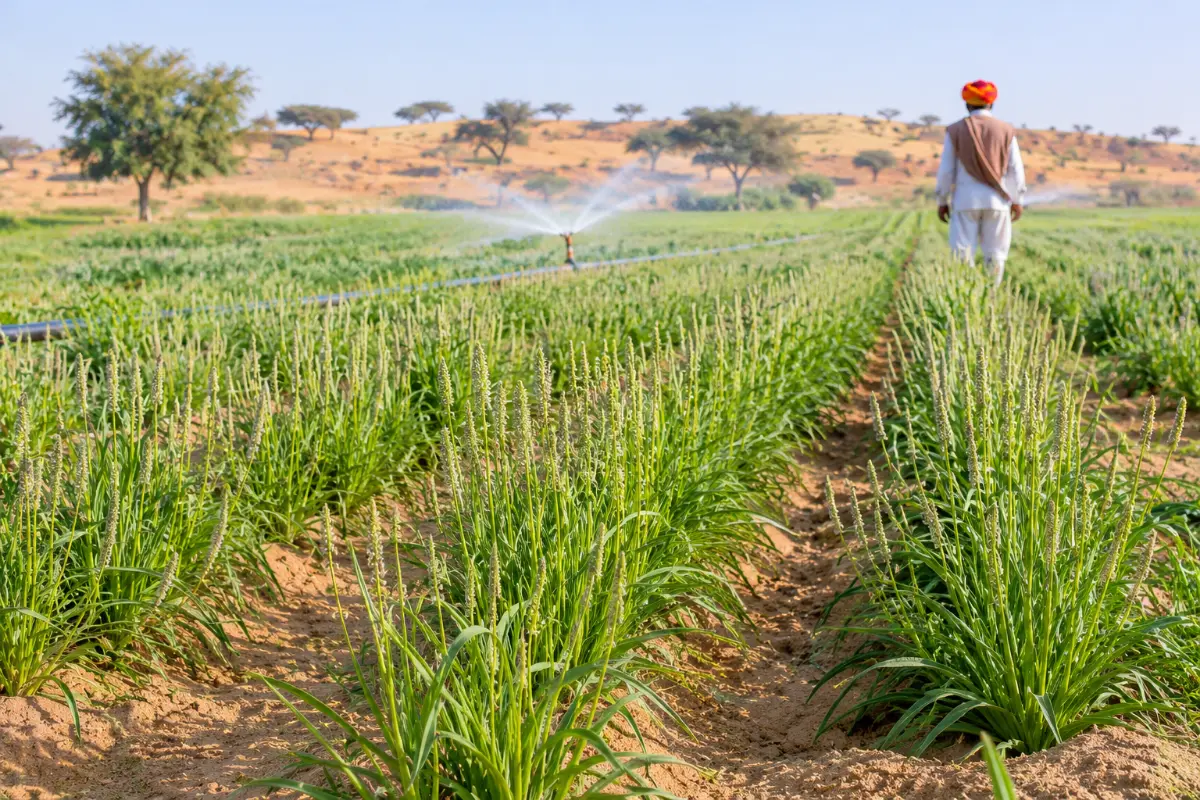
Isabgol Sowing Time and Seed Handling
In western Rajasthan, isabgol is generally sown in November, once the day temperature has come down. Sowing too early in warm weather can hurt germination, while very late sowing pushes ripening into hot weather and can reduce yield.
- Use clean, certified seed of a variety recommended for your area.
- Because the seed is tiny and light, mix it with fine sand or dry soil before broadcasting or line sowing for an even spread.
- Do not bury the seed deep; light covering is enough.
- Ask the KVK about seed treatment suited to isabgol and follow label instructions only for any product they recommend.
Irrigation Planning for Isabgol
Isabgol needs comparatively few irrigations, but timing matters. A light irrigation right after sowing helps germination; later irrigations depend on soil type and weather. Over-watering is a common mistake and can increase disease.
Many farmers now use sprinklers on light soils to save water and avoid washing away the seed. ATTPL's smart irrigation solutions for farms can help you understand sprinkler and drip options for your field. If daytime power supply for the pump is a problem, it is worth reading about solar pumps and agriculture solar systems and checking current scheme rules with the agriculture or energy department.
Stop irrigation as the crop approaches maturity, because moisture during ripening can lead to seed shedding.
Weed, Pest and Disease Care
Early weeding is important since young isabgol plants grow slowly and compete poorly with weeds.
Watch for aphids, downy mildew and wilt, especially in humid spells. We do not suggest any specific pesticide or dose here. Always take a sample or photo to your KVK or agriculture supervisor and use only what they recommend, at the label rate, with proper protective gear.
Isabgol Harvest, Drying and Storage
The crop is ready when spikes turn brownish and seeds harden; a gentle press of the spike releases seed easily. Harvest in the morning when there is slight moisture in the air, which reduces shattering.
- Cut plants and stack them on a clean floor or tarpaulin to dry.
- Thresh carefully and clean the seed to remove dust and plant parts.
- Store dry seed in clean bags on a raised platform away from moisture.
- If you want to wait for a better price, ask about scientific warehouse storage for farm produce rather than storing in damp sheds.
Selling Isabgol and Planning Your Finances
Isabgol is traded through mandis in Rajasthan and Gujarat and through processors who make husk. Prices change with demand, stock and quality, so compare rates from more than one buyer and keep samples ready. Clean, well-dried seed generally finds buyers more easily.
Input costs for seed, irrigation and labour come early in the season. A clear plan for working capital for small businesses and farm enterprises helps avoid distress sales. If you are part of a producer group, subsidy consulting for agri projects can explain which government schemes may apply; always confirm eligibility on the official portal.
Want help with isabgol planning, storage or buyer connections? Contact the ATTPL Agritech team and share your district, field size and questions.
Key takeaway: Isabgol rewards farmers who sow on time in November, keep light soils well drained, irrigate sparingly and harvest in dry weather. Local KVK advice on variety and plant protection is the safest starting point.
Frequently asked questions
When should isabgol be sown in Rajasthan?
In western Rajasthan, isabgol is usually sown in November once the weather turns cool. Your local KVK can confirm the right window for your district and the variety you choose.
Which soil is suitable for psyllium cultivation?
Light sandy or sandy-loam soils with good drainage are preferred. Avoid fields where water stands after irrigation, because waterlogging encourages root problems.
Why does isabgol seed fall before harvest?
Rain, cloud or heavy moisture during ripening can make spikes shatter. Stopping irrigation near maturity and harvesting promptly in the morning helps reduce this loss.