
Sustainable Farming
Crop Residue Management: Better Alternatives to Burning
By ATTPL Agritech Editorial Team · · 3 min read
Why burning crop residue harms soil and health, and practical alternatives: in-situ incorporation, mulching, happy seeder, composting and selling residue.
Why residue burning is a problem
After harvest, many farmers burn straw and stubble to clear fields quickly for the next crop. It seems cheap and fast, but it has hidden costs. Burning destroys organic matter and useful soil organisms, wastes nutrients that could return to the soil, and causes smoke that harms the health of farm families and people far away. Burning crop residue is also restricted under environmental rules in many areas.
Residue is not waste. Managed well, it improves soil, saves fertiliser and can even earn money.
What burning does to your soil
Soil organic matter is the base of fertile land. It holds water, feeds earthworms and microbes, and releases nutrients slowly to crops. Sandy soils in much of Rajasthan are already low in organic matter, so every tonne of residue burnt is a lost chance to improve them. Burning also heats the top layer of soil, killing beneficial organisms, and leaves fields bare and exposed to wind erosion.
Over the years, farms that return residue to the soil often notice better soil structure, easier tillage and improved moisture retention. These benefits build slowly, which is why the decision not to burn is best seen as a long-term investment in the farm's productivity rather than a single season's choice.
- Residue retained as mulch reduces evaporation from the soil surface.
- Decomposing residue feeds soil life and gradually releases nutrients.
- Covered soil is less likely to be blown away during dry, windy months.
Option 1: Keep residue in the field
- Mulching: leaving residue on the surface conserves soil moisture and reduces weeds — valuable in dry Rajasthan conditions.
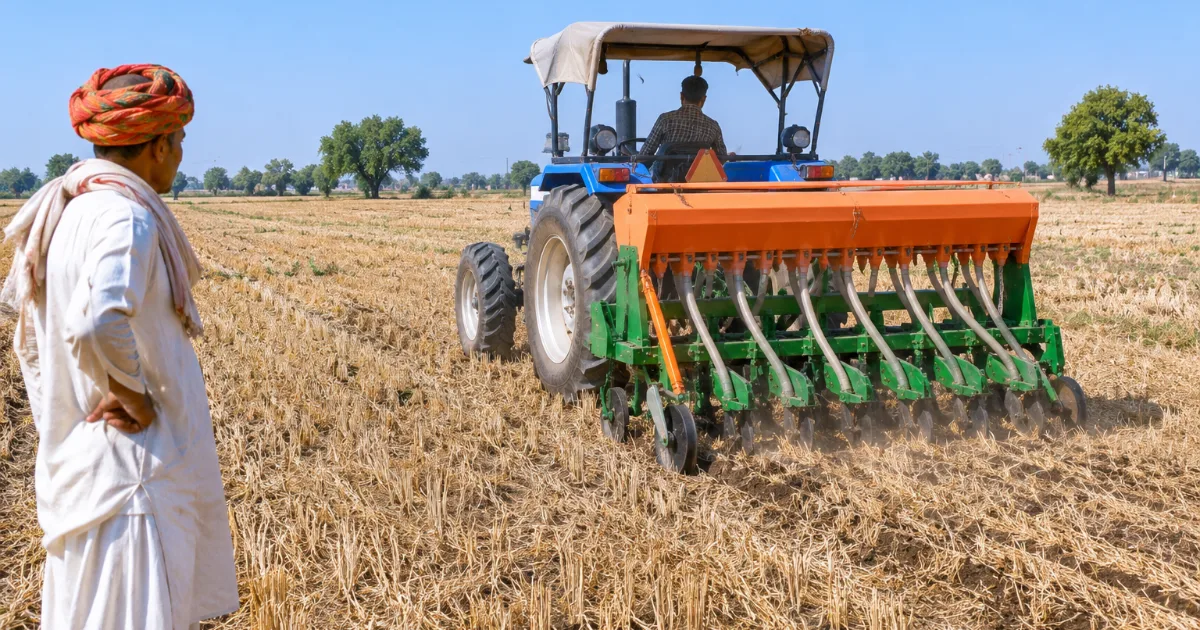
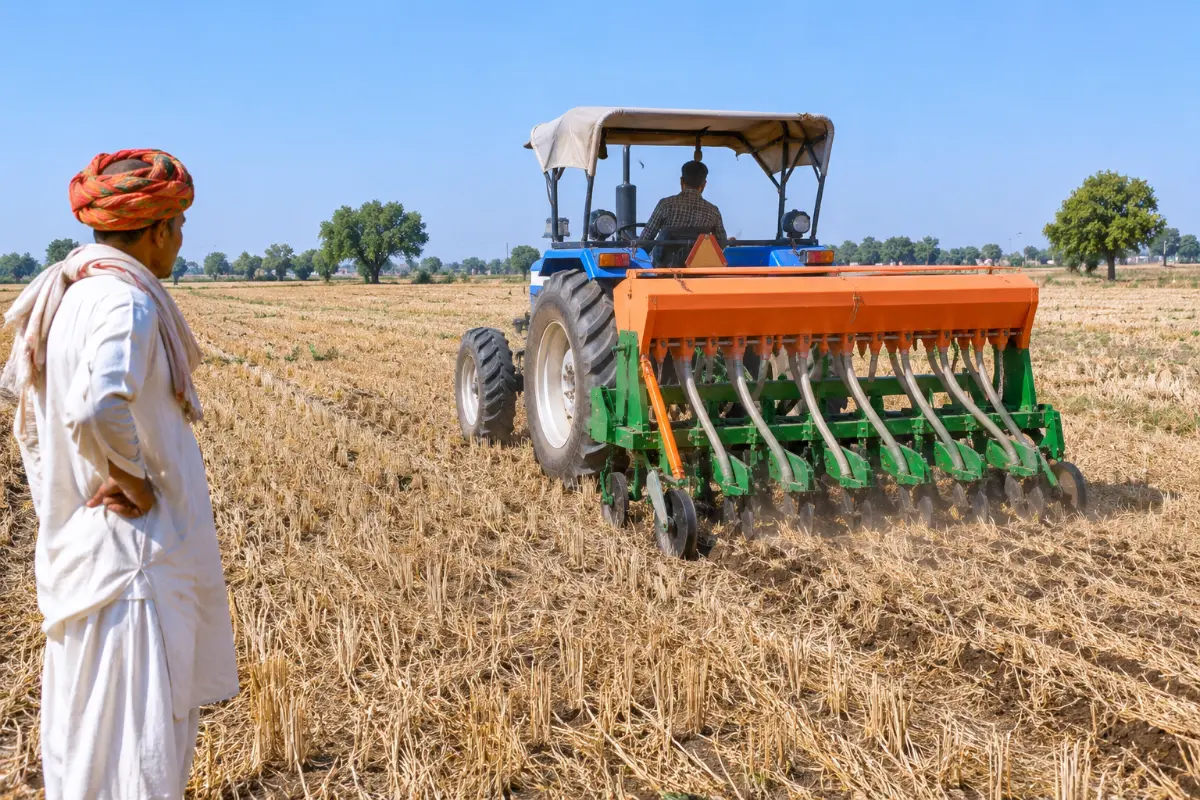
- Direct sowing: machines such as the happy seeder or super seeder sow the next crop into standing stubble without burning.
- Incorporation: chopping and mixing residue into the soil with suitable machines adds organic matter, with a light irrigation to speed decomposition.
Custom hiring centres and farmer groups often rent out these machines so that small farmers do not need to buy them.
Option 2: Compost and decompose
Residue can be composted in pits or heaps with dung and water. Microbial decomposer solutions recommended by agricultural institutions can speed up the breakdown of straw in the field or in compost pits. The finished compost improves soil structure and water holding.
Option 3: Use residue as fodder and bedding
Many crop residues are valuable dry fodder or animal bedding. Baling straw makes it easy to store and transport. Farmers with dairy animals can use it on-farm; see our guide to soil testing and soil health to understand how organic matter improves fields.
Option 4: Sell residue to industry
Biomass power plants, compressed biogas plants, pellet makers and some industries buy crop residue. Prices and demand vary by location, so check with nearby units or farmer producer organisations, which can aggregate residue from many farms. Our article on FPO digital tools shows how groups organise such activities.
Making it work on a small farm
- Plan the next crop's sowing method before harvest.
- Book machines from a custom hiring centre in advance.
- Talk to neighbours to share machines and transport.
- Ask your local agriculture office or KVK about current support schemes for residue management machines.
Healthy soil supports better yields year after year; precision tools can help too, as explained in precision agriculture basics. Large farm and processing projects may also need civil works such as storage sheds and roads, which ATTPL Infra can plan. For advice on sustainable practices, contact us.
Frequently asked questions
Is burning crop residue allowed?
Burning crop residue is restricted or banned under environmental rules in many states. Check local regulations and use alternatives.
What is a happy seeder?
It is a tractor-mounted machine that sows the next crop directly into standing stubble and spreads the residue as mulch, avoiding the need to burn.
Can crop residue earn money?
Yes, in many areas biomass plants, biogas plants and pellet makers buy baled residue. Prices depend on local demand.